Rochelle shares the emotional reality of cancer diagnosis day, recognising how overwhelming it can feel as fear, uncertainty and information arrive all at once. She highlights the importance of reaching out to trusted people for support, asking questions and taking time to understand the diagnosis and treatment options. By seeking expert opinions, focusing on one step at a time and building a strong support network, individuals can begin to move forward with greater clarity and confidence, even in the earliest stages of their journey.
Read MoreShould I Get Genetic Testing for Cancer Risks?→
/
Genetic testing for cancer risk looks for inherited gene changes that may increase the likelihood of developing certain cancers. While only a small percentage of cancers are hereditary, testing can provide valuable insight for those with a personal or family history, helping guide earlier screening, prevention strategies and personalised care.
However, results do not guarantee whether someone will or will not develop cancer, and regular screening remains essential regardless of genetic findings.
Understanding individual risk and discussing options with a healthcare professional can help people make informed decisions about whether genetic testing is right for them.
Read MoreBreast Cancer: 4 Messages to My Newly Diagnosed Self→
/
Rochelle shares four powerful messages she wishes she had known at the time of her breast cancer diagnosis. She highlights the reassurance that many people go on to live full, active lives after treatment, and emphasises the importance of choosing when and how to share a diagnosis with others. She also encourages prioritising health above all else, including stepping back from previous commitments when needed. Above all, she reminds individuals that while cancer becomes part of their story, it does not define who they are, and with the right support, it is possible to feel like yourself again.
Read MoreA Survivor’s Top 10 Takeaways From the Sylvester Cancer Survivorship Symposium→
/
Rochelle shares key insights from the Sylvester Cancer Survivorship Symposium, highlighting that life after cancer is an ongoing journey that begins at diagnosis. She emphasises the importance of a holistic approach to care, addressing not only physical symptoms such as fatigue but also emotional, mental and lifestyle needs. From managing stress and building supportive connections to incorporating movement, nutrition and self-care into daily life, her takeaways focus on helping individuals live well beyond treatment. Above all, she reinforces that good days and difficult days are both part of the process, and that support, compassion and practical tools can make the journey more manageable.
Read MoreTalking Tamoxifen: From Fear to Finding My Way→
/
Rochelle shares a personal perspective on taking tamoxifen, a common and often life-saving treatment for hormone-driven breast cancer. She acknowledges the fear many people feel before starting the medication, often shaped by stories about side effects, and highlights the importance of open, supportive conversations with healthcare professionals. Through her own experience, she shows how a proactive approach, combined with the right support, can help manage side effects and shift the focus from fear to healing. For Rochelle, the journey is not just about survival, but about finding a way to live well while navigating treatment.
Read MoreWhat You Might Not Know About Your Breast Cancer Risk→
/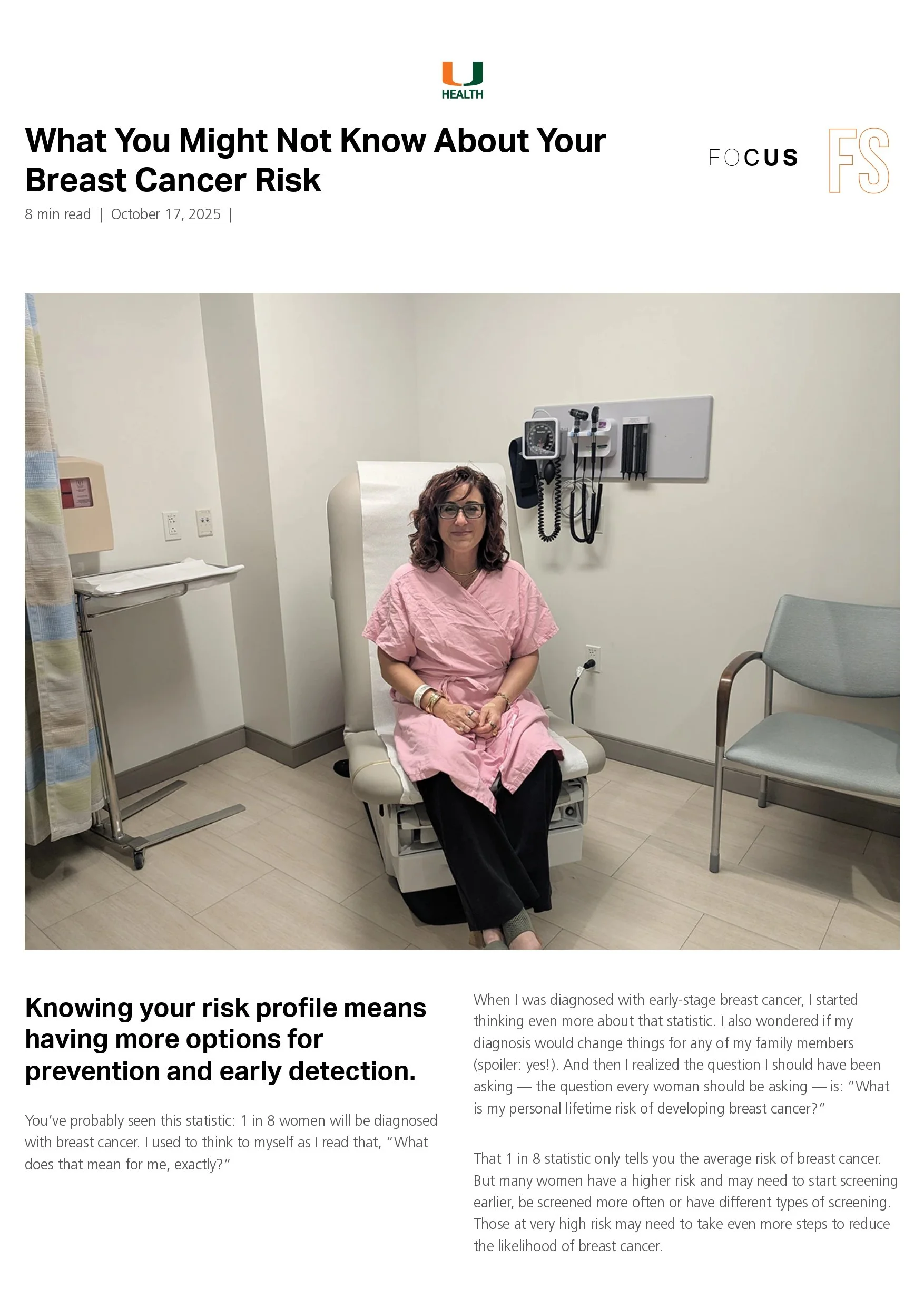
Rochelle highlights that breast cancer risk is not the same for every woman, and understanding your personal risk profile is key to early detection and prevention.
While general statistics offer a broad picture, individual risk is shaped by factors such as family history, genetics, lifestyle and overall health.
She encourages open conversations with healthcare professionals and proactive assessment from an early age, as knowing your risk can lead to more tailored screening, informed choices and greater control over your health.
Read MoreGrief and Cancer – Inextricably Bound Together→
/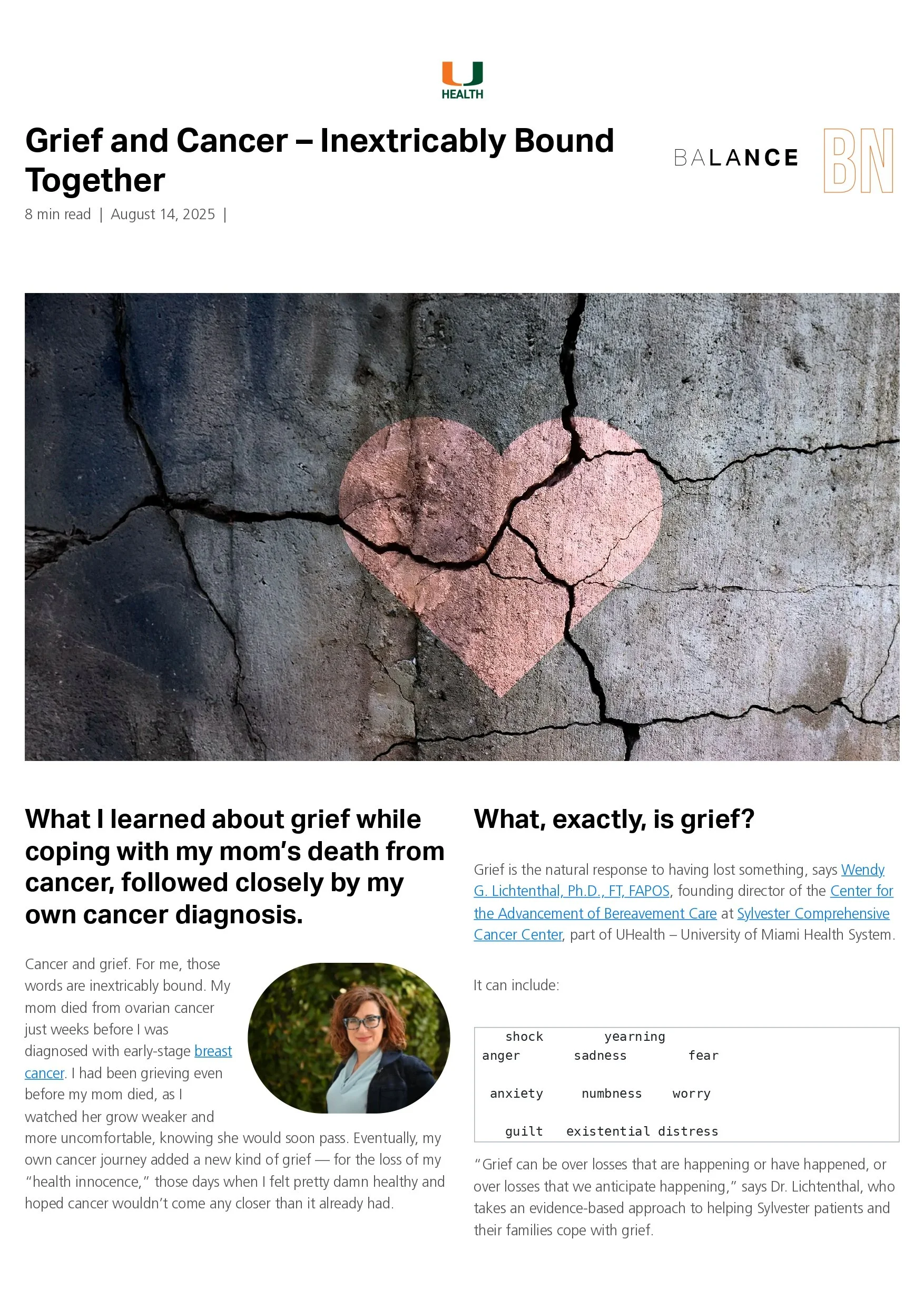
Rochelle understands that grief and cancer are deeply connected, often unfolding at the same time and in complex ways. From the shock of diagnosis to the loss of health, identity or loved ones, individuals may experience multiple layers of grief throughout their journey.
She recognises that grief is not linear and looks different for everyone, and emphasises the importance of allowing space for these emotions while seeking the right support.
With time, compassion and the ability to adapt, people can learn to carry their grief while continuing to move forward.
Read MoreThe Healing The Healing Power of Pets During Cancer→
/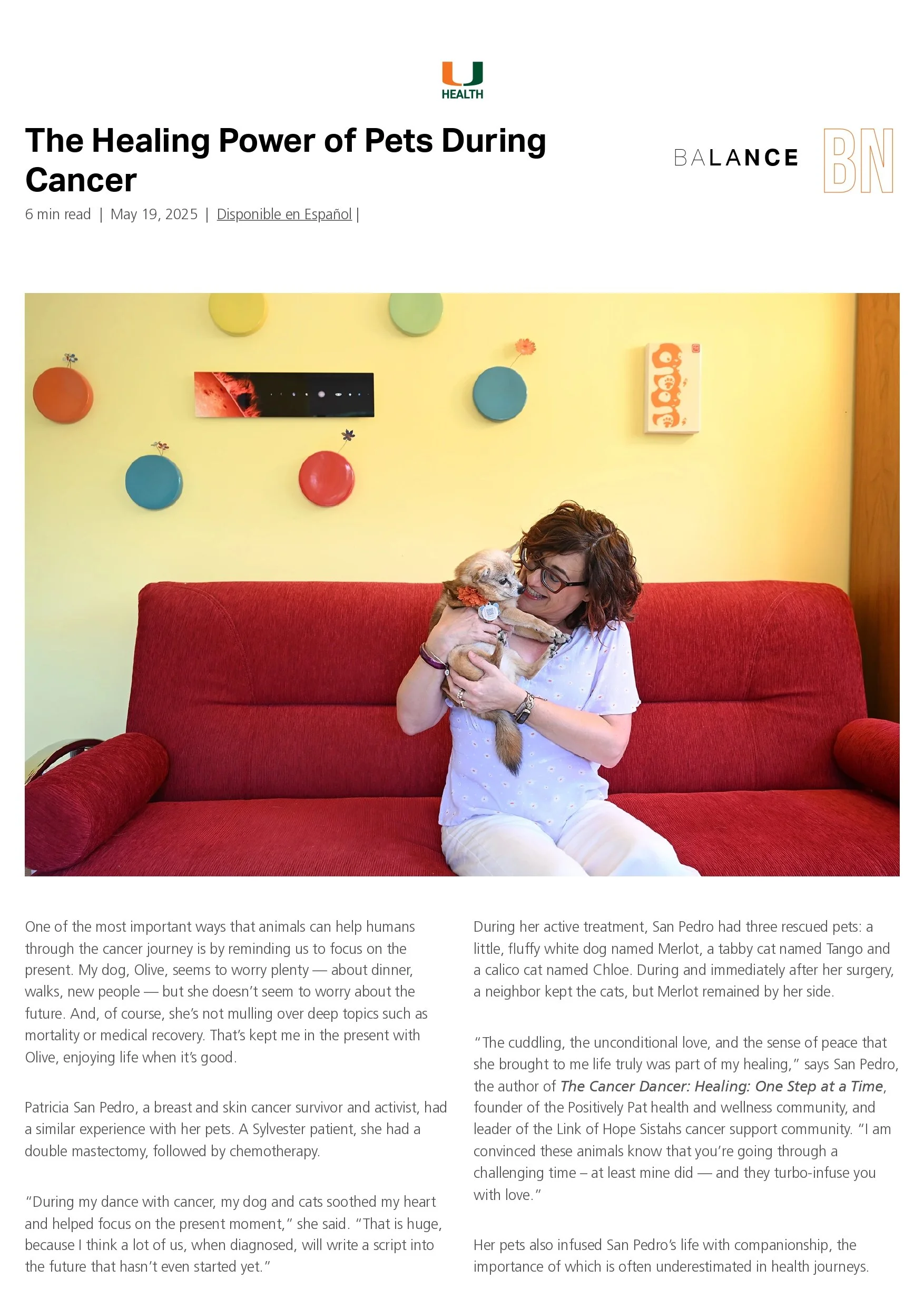
Pets can play a powerful role in supporting people through cancer, offering comfort, companionship and a sense of calm during an otherwise overwhelming time.
Their presence helps reduce stress, ease anxiety and encourage patients to stay grounded in the present moment.
Beyond emotional support, pets can also promote gentle physical activity, create routine and provide a constant source of unconditional love - making them an important, and often underestimated, part of the healing journey
Read MoreLocal NBC6 News Interview
/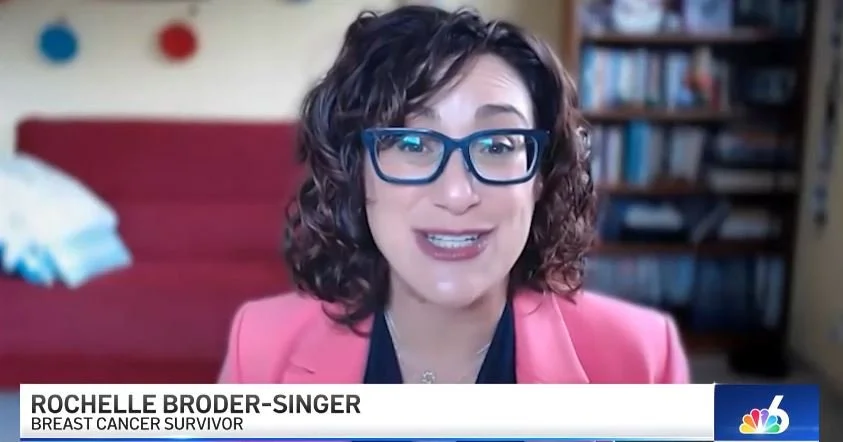
Rochelle Broder-Singer was 49 years old when she was diagnosed with a common form of breast cancer last year. She caught it early thanks to diligent screenings, but as a woman with dense breast tissue, it wasn’t just a mammogram she needed.
Read MoreSocial media video for Sylvester Comprehensive Cancer Center→
/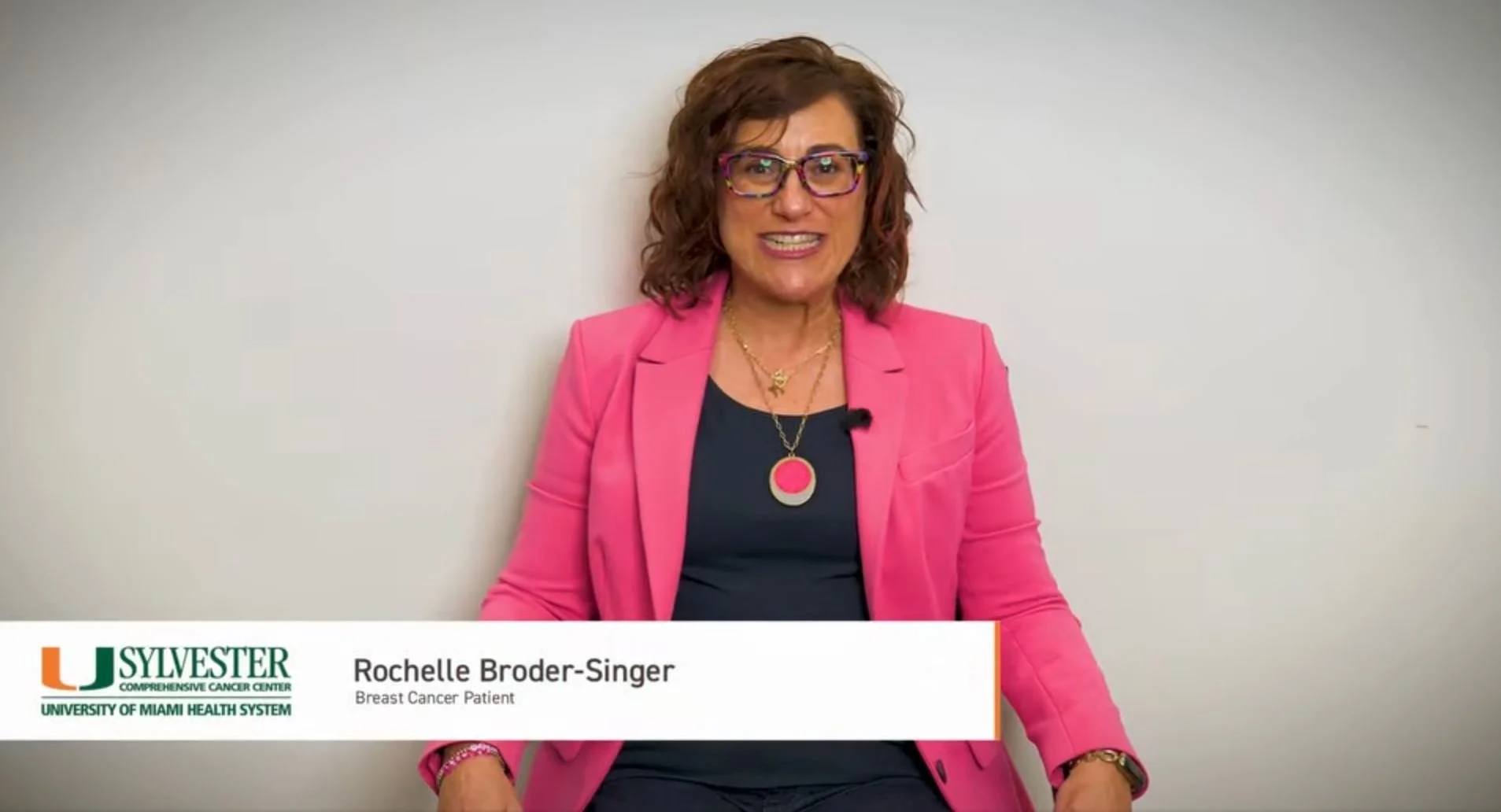
What seemed like a routine screening revealed something different from the year before. Further imaging and a biopsy confirmed the diagnosis: invasive ductal carcinoma, estrogen-receptor-positive, progesterone-receptor-positive, and HER2-negative, the most common type of breast cancer.
Rochelle's family, friends and support system rallied around her, providing support throughout her breast cancer journey. Today, Rochelle is happy, healthy and continues to inspire others by sharing her story through a series of articles with Sylvester, reflecting on her personal experience as a breast cancer survivor.
Read MoreMy Cancer Treatment Checklist of Questions →
/
As a journalist, Rochelle has spent her career asking questions - but when she was diagnosed with breast cancer, she found it surprisingly difficult to ask the ones that mattered most. In this deeply personal article, she shares how creating a simple checklist of questions became one of her most powerful tools during treatment. From diagnosis to surgery and beyond, Rochelle offers practical guidance to help others feel more confident, informed, and empowered throughout their cancer journey.
Read MoreA Survivor's Story→
/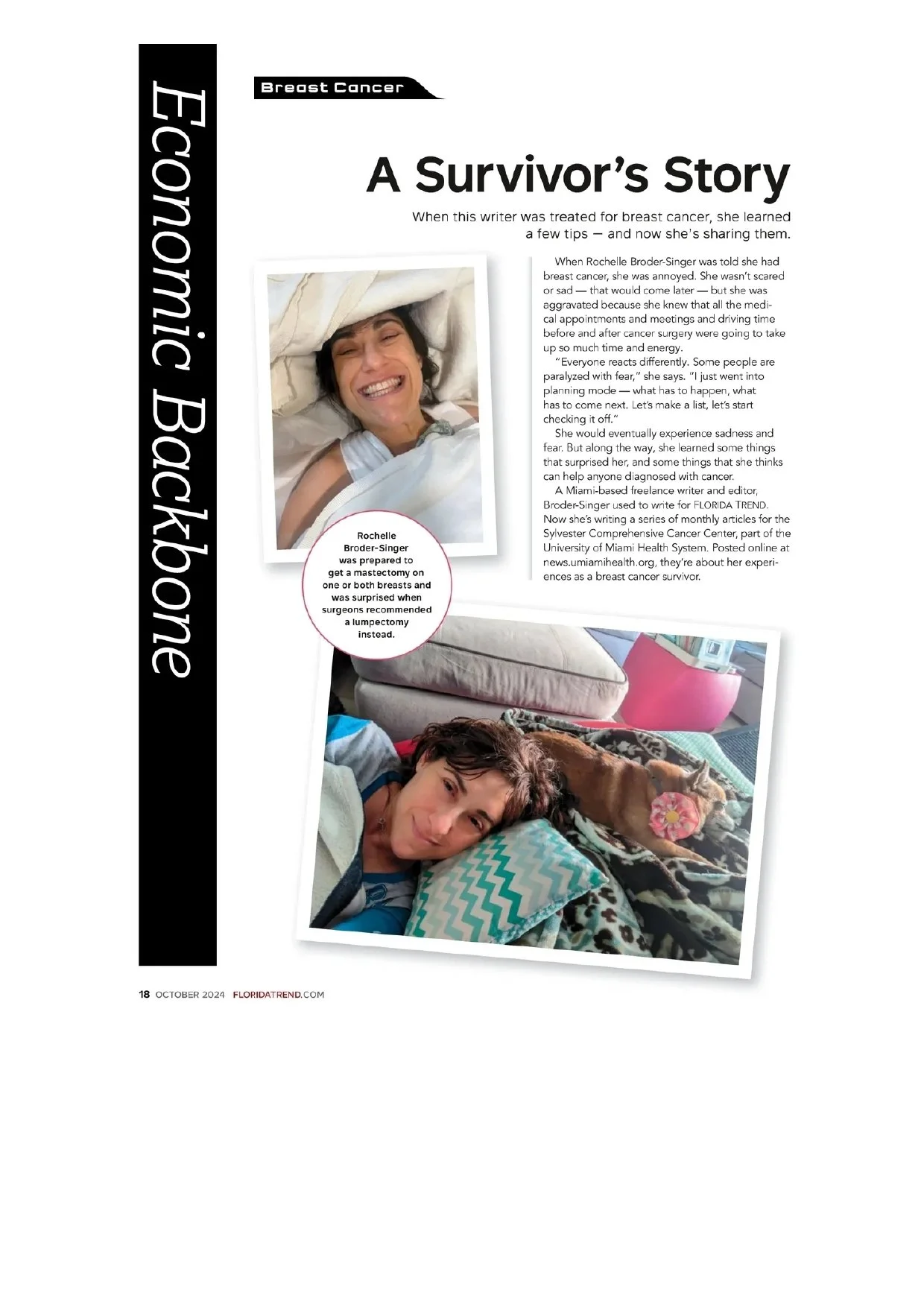
When Rochelle was diagnosed with early-stage breast cancer, her initial reaction wasn’t fear but annoyance at the time and effort treatment would require. In this candid piece, Rochelle reflects on the lessons she learned through her diagnosis and treatment, offering practical tips and emotional insights for anyone facing cancer.
Read MoreSix Things I Learned After My Breast Cancer Diagnosis | Miami Herald→
/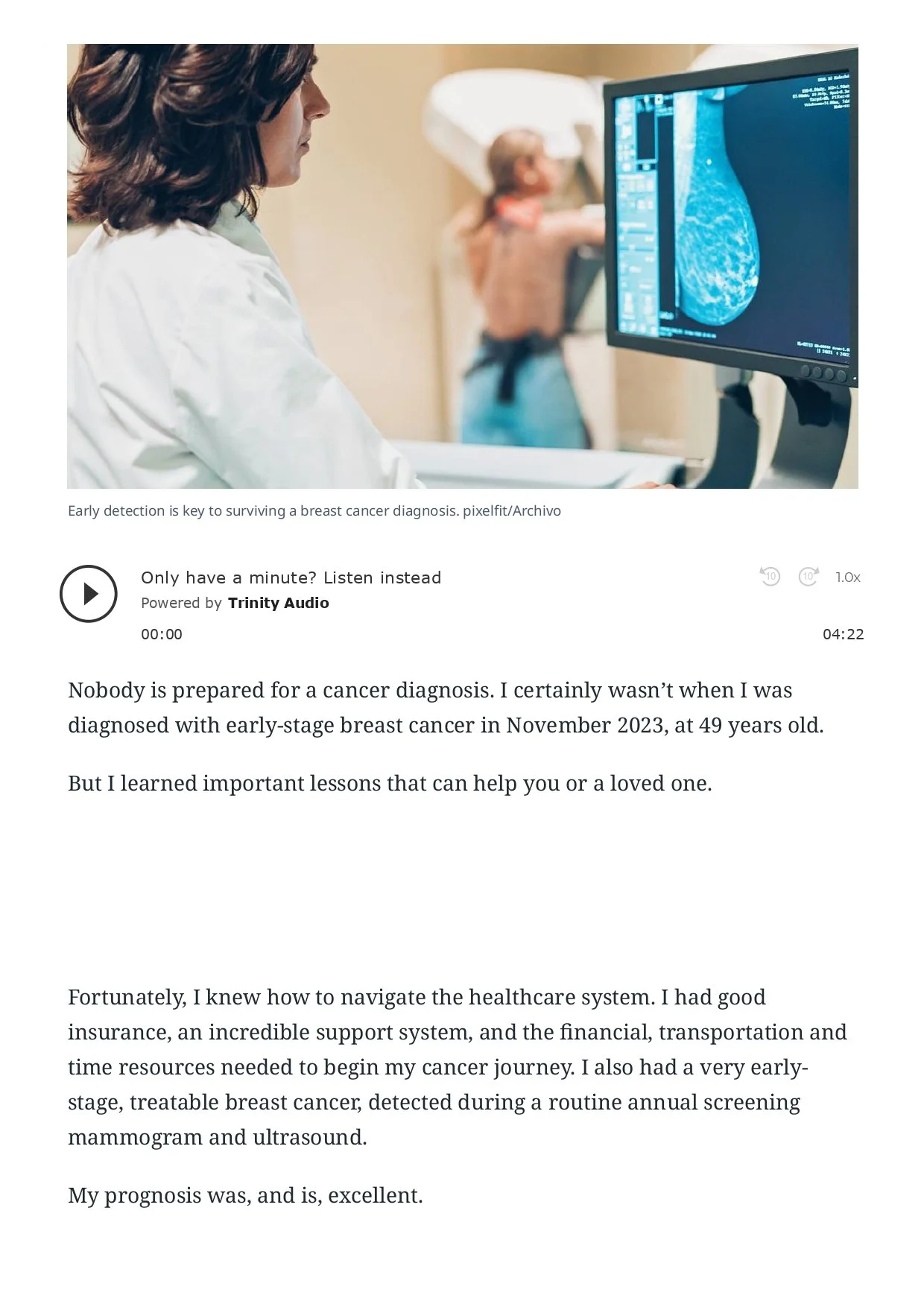
Rochelle candidly reflects on her experience navigating an early-stage breast cancer diagnosis. Through six valuable lessons, she shares the importance of second opinions, managing unexpected emotions, and staying informed about treatment options. This article serves as both a guide and a source of encouragement for anyone facing breast cancer or supporting a loved one through their journey. With an emphasis on early detection and using available resources, Rochelle highlights how preparation and support can make a world of difference.
Read MoreThe Partner Perspective of a Cancer Journey→
/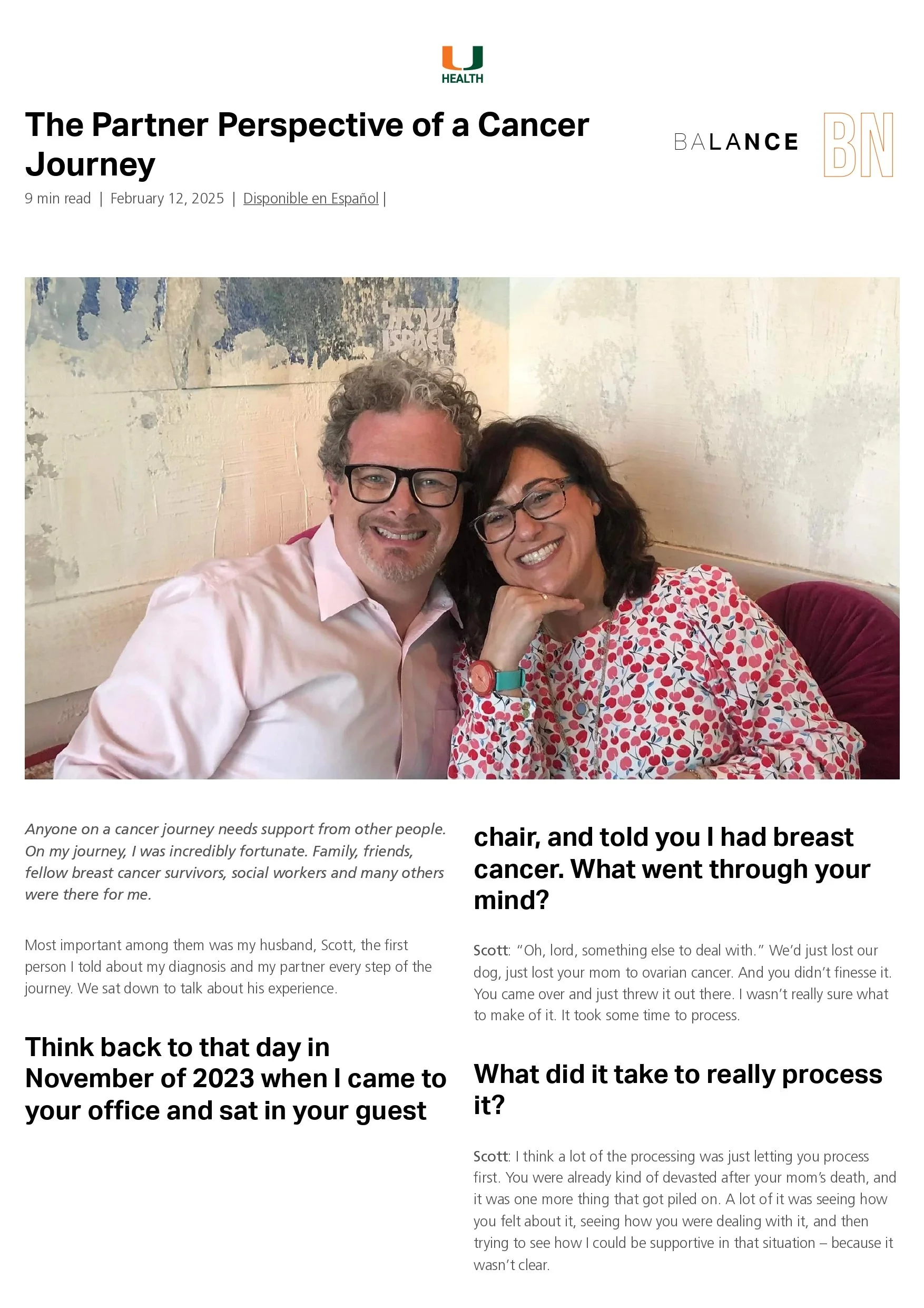
Rochelle offers an honest and heartfelt look at the role of a caregiver in the cancer journey, sharing a candid conversation with her husband, Scott. Together, they reflect on the emotional weight of her breast cancer diagnosis, the overwhelming flow of medical information, and the challenges of balancing support and self-care.
Through their experiences, Scott provides valuable insights for partners navigating a loved one’s cancer treatment, highlighting the importance of listening, being present, and finding ways to cope. This article serves as a powerful reminder that no one faces cancer alone—and that support, in all its forms, makes a world of difference.
Read MoreGuilt, Gratitude, and Meaning After Cancer →
/
Rochelle candidly explores the emotional complexities of life after an early-stage breast cancer diagnosis. She reflects on feelings of gratitude, survivor’s guilt, and emotional resilience, questioning whether a profound transformation is necessary.
With insights from grief and meaning-making expert Dr. Wendy Lichtenthal, she reassures fellow survivors that there’s no single way to process a cancer journey.
This article offers comfort, validation, and encouragement to those navigating survivorship, reminding them that finding meaning is a personal and evolving process.
Read MoreThe Right Fit: Clothing After Breast Cancer Surgery →
/
Rochelle shares her post-surgery challenges in finding bras that balance comfort, function, and style. From the impact of breast cancer surgery and radiation on her body to the practical tips she’s gathered along the way, Rochelle offers a candid look at the often-overlooked hurdles of breast cancer survivorship. Her story is a testament to resilience and a reminder that self-care — even in the form of undergarments — is an essential part of recovery.
Read MoreWhat Age Is ‘Young’ For a Breast Cancer Diagnosis? →
/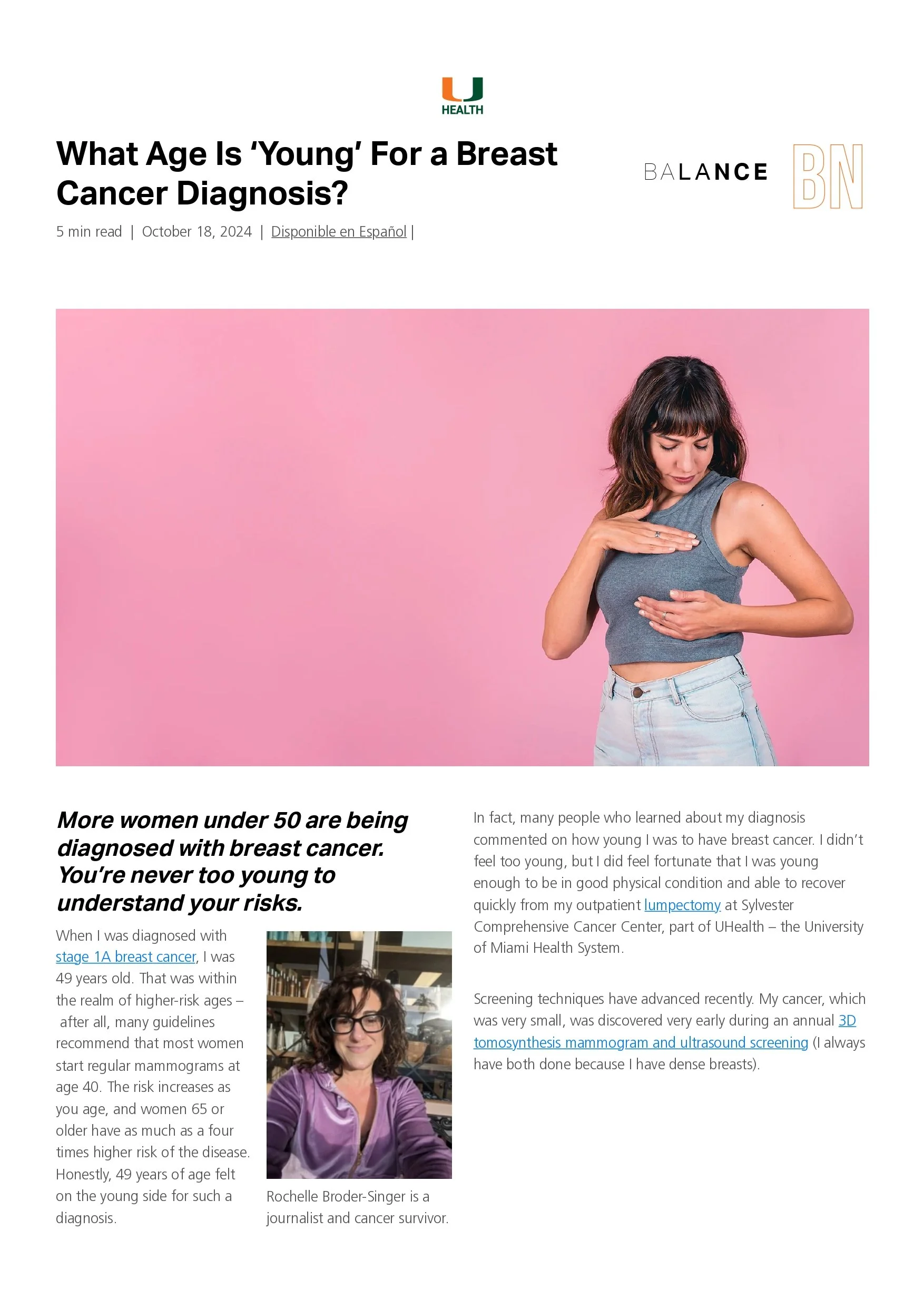
Rochelle shares her personal story and highlights an important trend: breast cancer diagnoses are rising among women under 50. Drawing on expert insights and her own experiences, Rochelle underscores the importance of understanding your personal risk, staying proactive with screenings, and following a tailored screening plan.
Read MoreThe Cancer Journey: Asking For and Accepting Help →
/
Rochelle reflects on the profound impact of asking for and receiving help during her cancer journey. Sharing personal anecdotes and insights backed by research, Rochelle highlights how seeking support not only eases the burden on patients but also strengthens bonds and benefits the helper
Read More